
Training Program
Airline Ticketing Program
Build skills in airline reservations, ticketing, and travel operations.
A comprehensive six-month training program that equips you with essential knowledge and practical skills in airline reservations, fare pricing, ticket issuance, and after-sales services using industry systems such as Amadeus.
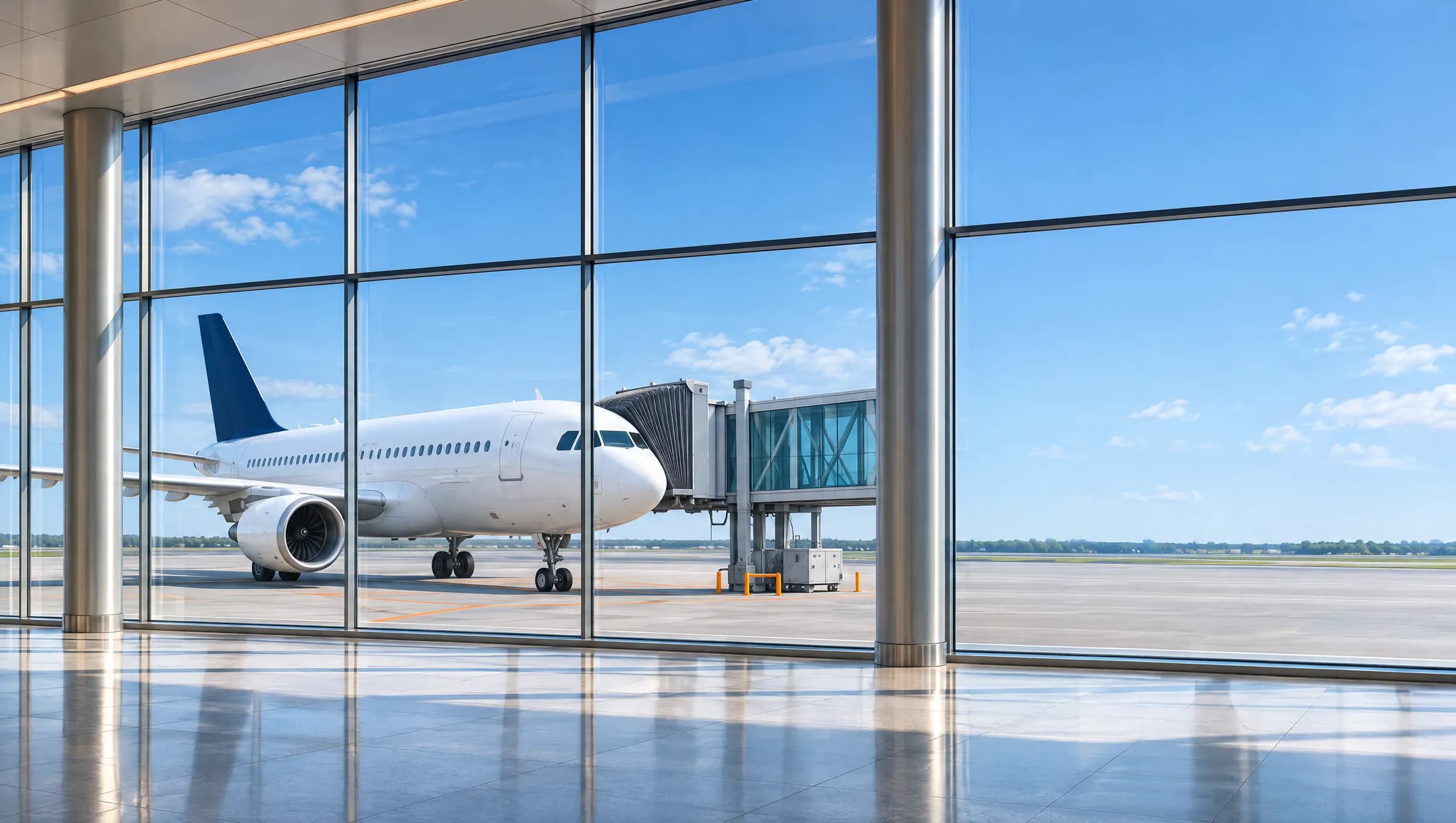
Program Overview
The Airline Ticketing Program provides practical, hands-on training in airline reservations, fare pricing, ticket issuance, and after-sales services, with a focus on real-world industry practices using the Amadeus system.
- Program Duration
- 6 Months
- Training Hours (Total)
- 240
- Modules (Per Program)
- 4
- Per Module
- 60 Hours
Training Schedule: Four days per week, 2.5 hours per day, totaling 10 hours per week over 24 training weeks.
Each module includes 24 hours of instruction and 36 hours of practical exercises, activities, and assessment. Each training hour is 60 minutes, excluding breaks; the remaining time within the six-month period is allocated to holidays and make-up sessions.
Program Curriculum
The program is divided into four modules, each lasting one and a half months and comprising 60 training hours.
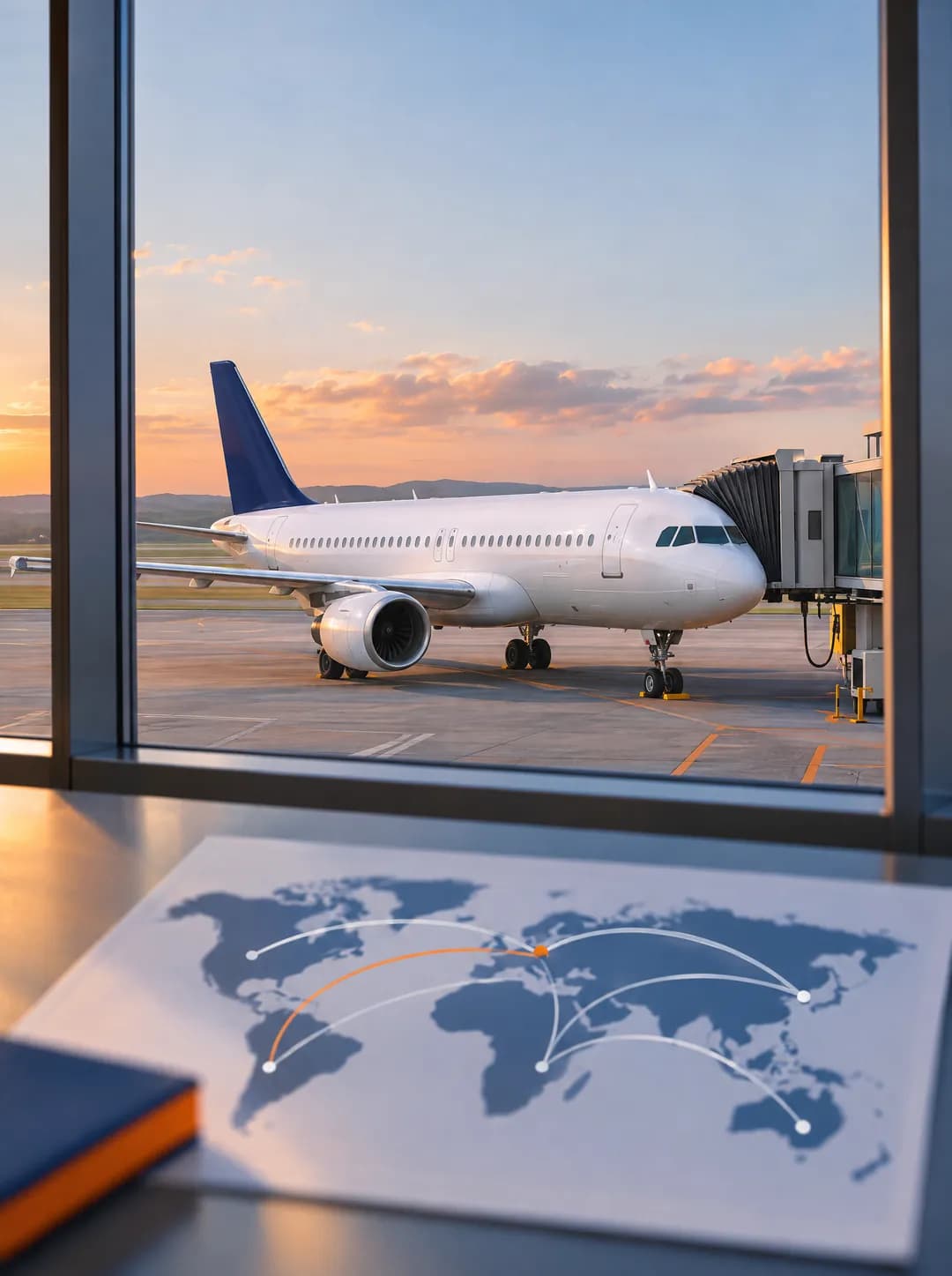
Module 1
Module 1: Fundamentals of Aviation and Reservations
1.5 Months60 Hours
- Introduction to airlines and flight types
- Airline, airport, and city codes
- Reading flight schedules and travel itineraries
- Travel classes and ticket types
- Terminology and English used in airline reservations
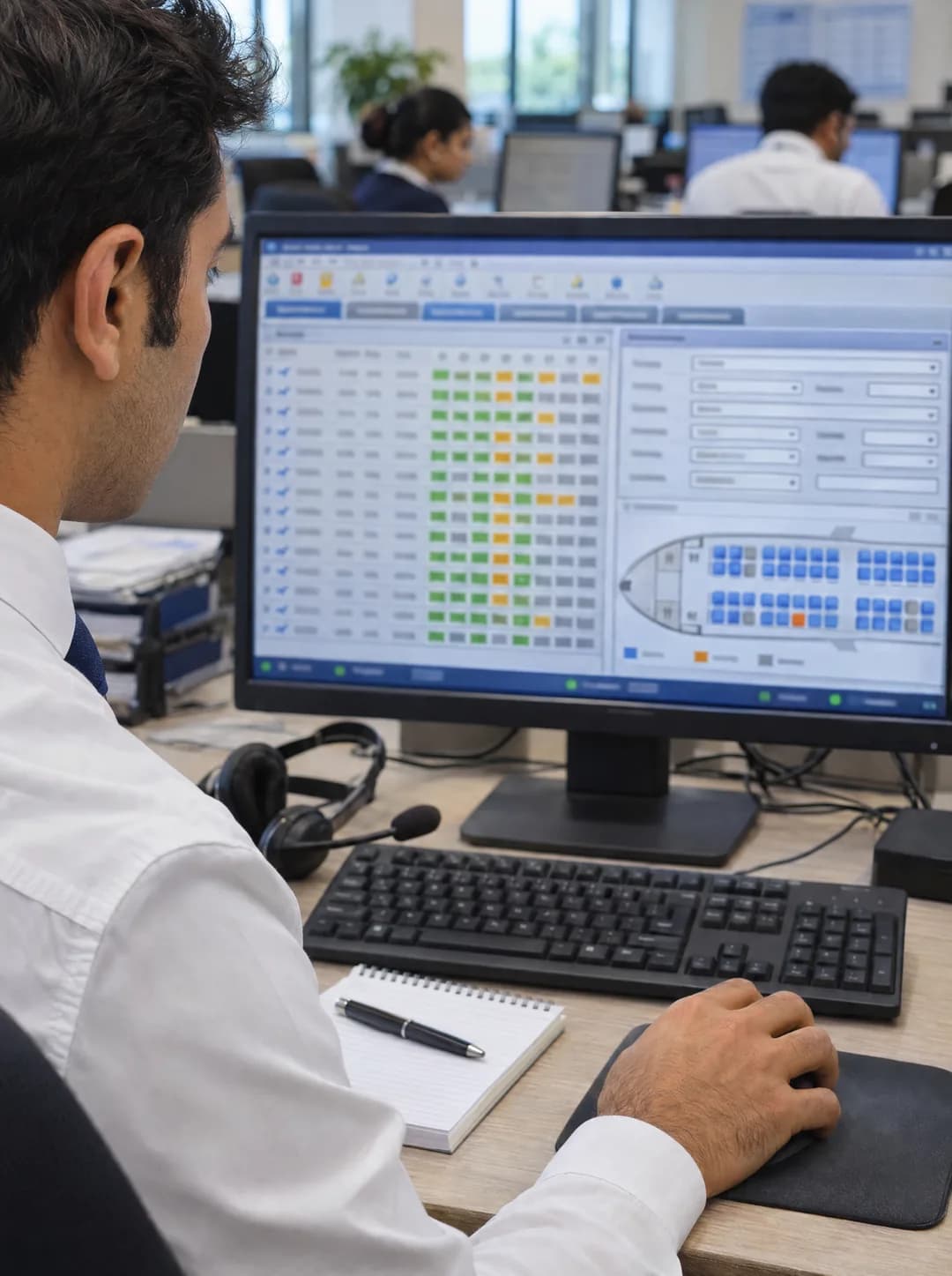
Module 2
Module 2: Airline Reservation Systems
1.5 Months60 Hours
- Introduction to the Amadeus system and its use
- Searching for flights and seat availability
- Creating reservation records and entering passenger information
- Adding ancillary services and special requests
- Modifying and managing reservations
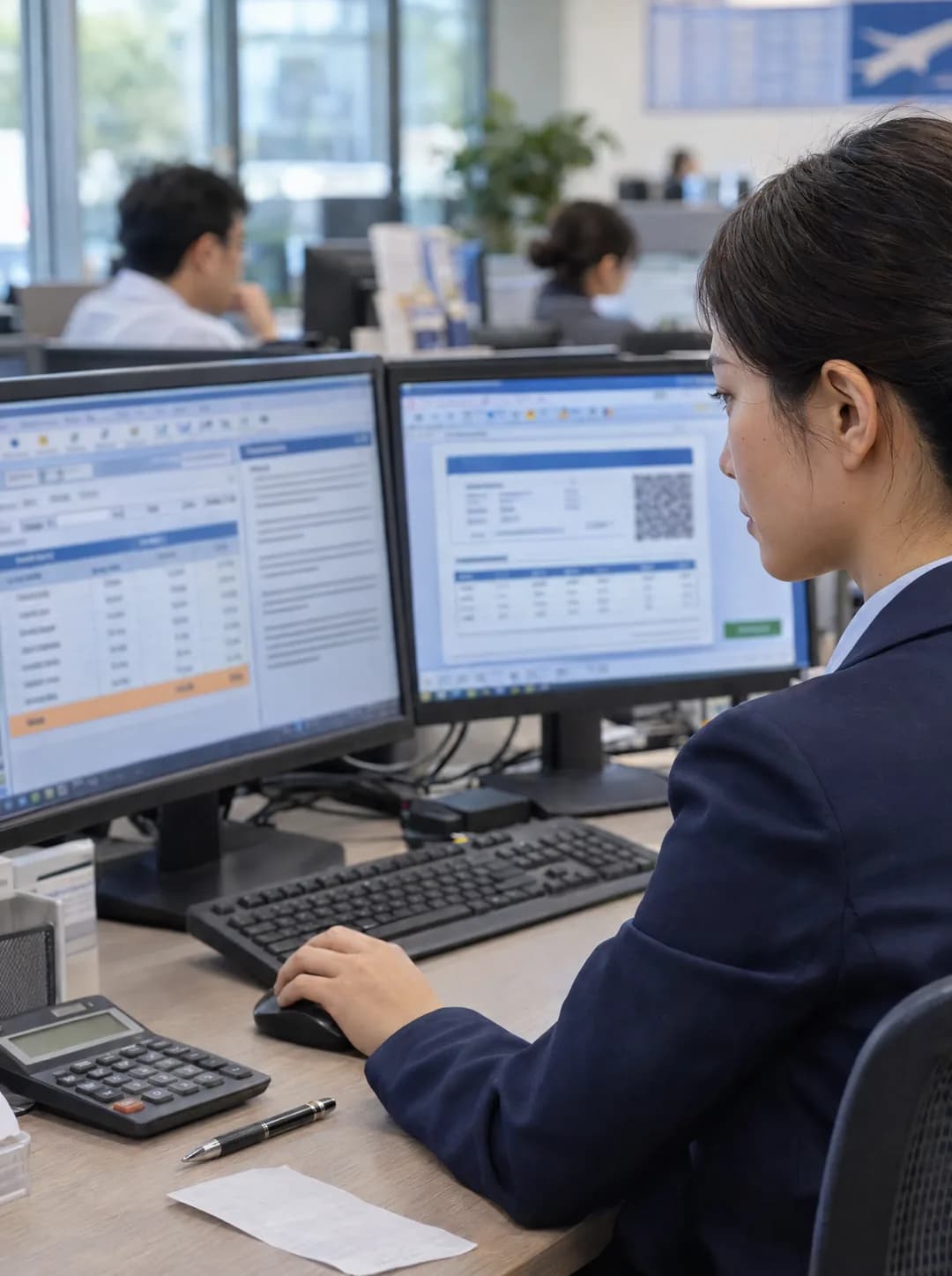
Module 3
Module 3: Airfare Pricing and Ticket Issuance
1.5 Months60 Hours
- Fare types and interpretation of fare rules
- Calculating airfares, taxes, and fees
- Issuing electronic tickets
- Baggage rules and ancillary services
- Payment methods and verification of ticket details
Module 4
Module 4: After-Sales Services and Practical Application
1.5 Months60 Hours
- Changing and reissuing tickets
- Cancelling and refunding tickets
- Handling schedule changes and flight cancellations
- Customer service and complaint handling
- Practical exercises in reservations, pricing, and ticket issuance
Training Approach
The program combines classroom instruction, practical exercises and activities, and assessment. Learners develop foundational knowledge and apply what they learn through practical tasks related to airline ticketing and reservation operations.
Classroom Instruction
Build foundational knowledge and understand key concepts.
Practical Exercises and Activities
Apply learning through hands-on practice using relevant industry systems and procedures.
Assessment
Complete exercises and practical tasks designed to measure learning and application.
Field Training
Work placements at travel agencies, hotels, or airports may be added as separate hours, subject to agreements with host organizations.
Practical exercises, activities, and simulations conducted at the institute are included within the 240 hours allocated to each program.

Ready to take the next step?
Begin your Airline Ticketing training. Contact E.G.S. to learn more about the program and the admissions process.